

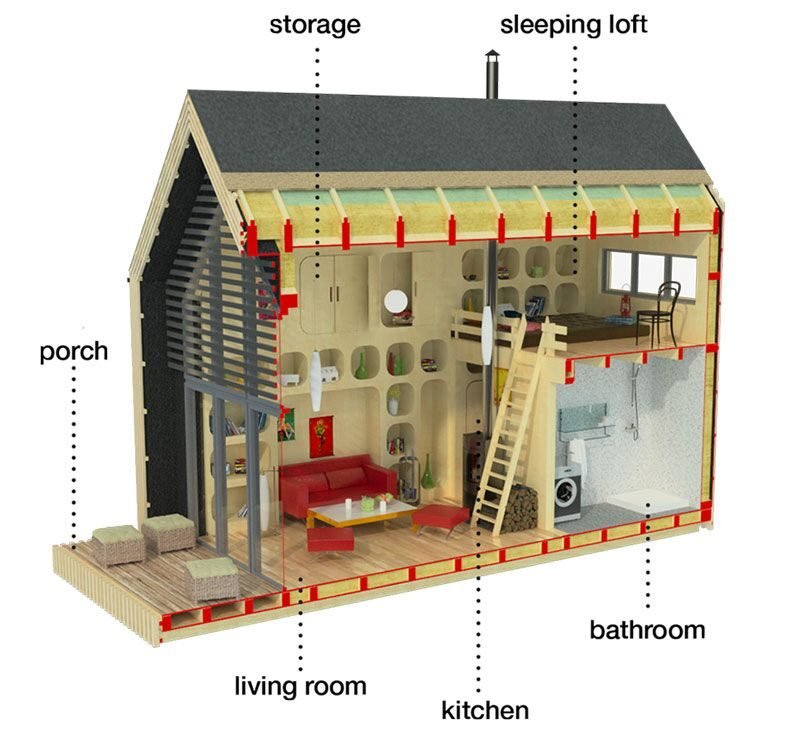
Introduction: Why So Many People Are Falling in Love with Tiny House Plans
You know what’s interesting? A few years ago, the idea of living in a tiny house sounded extreme to most people. Fast forward to today, and tiny house plans are everywhere. On Pinterest, YouTube, Instagram, and honestly, even in our daydreams.
And it makes sense. Life has gotten expensive, cluttered, and noisy. We’ve all been there—paying for rooms we barely use, cleaning spaces that don’t actually add joy, and feeling overwhelmed by “stuff.” Tiny house plans offer something refreshing: simplicity with purpose.
But here’s the truth. A tiny house doesn’t work unless the plan is smart. The right tiny house plans can make 200 square feet feel cozy and functional. The wrong ones? Well, trust me, they can feel like living in a storage unit.
So let’s talk about how tiny house plans really work, what to look for, and how to choose a design that fits your lifestyle—not just your square footage.
Understanding Tiny House Plans: More Than Just Small Blueprints
Tiny house plans are detailed layouts designed for homes typically under 400 square feet. But calling them “small” is a bit misleading. Actually, the best tiny house plans feel intentional, thoughtful, and surprisingly spacious.
What Makes Tiny House Plans Unique?
Unlike traditional house plans, tiny house plans focus on:
-
Multi-functional spaces
-
Vertical living
-
Efficient storage
-
Minimal wasted areas
And yes, every inch matters. There’s no room for guesswork here.
Tiny House on Wheels vs. Foundation Plans
Before choosing from tiny house plans, you need to decide one big thing.
Tiny House on Wheels (THOW)
-
Built on trailers
-
Often under 400 sq ft
-
More flexibility and mobility
-
Must follow road and weight limits
Tiny House on a Foundation
-
Permanent structure
-
Fewer size restrictions
-
Easier to customize
-
Must meet local building codes
So, if freedom and travel excite you, tiny house plans on wheels might be your thing. But if stability matters more, foundation-based tiny house plans are usually easier long-term.
Popular Types of Tiny House Plans (And Who They’re Best For)
Not all tiny house plans are created equal. Some are perfect for solo living, others for couples, and a few even work for families.
1. Loft-Style Tiny House Plans
Lofts are probably the most recognizable feature in tiny house plans.
Pros:
-
Saves floor space
-
Creates a cozy sleeping area
-
Adds visual separation
Cons:
-
Not ideal for people with mobility issues
-
Can feel cramped if poorly designed
To be honest, loft-style tiny house plans work best for people who don’t mind climbing a ladder and enjoy a “nest-like” sleeping area.
2. Single-Level Tiny House Plans
These are gaining popularity, especially among retirees.
Why people love them:
-
No ladders or stairs
-
Safer and more accessible
-
Easier daily living
Single-level tiny house plans usually trade lofts for compact bedrooms or Murphy beds. And surprisingly, they still feel open when designed well.
3. Tiny House Plans with Separate Rooms
Yes, privacy is possible—even in a tiny house.
These plans often include:
-
Sliding doors
-
Pocket walls
-
Half walls for visual separation
They’re ideal for couples or remote workers who need defined spaces.
How to Choose the Right Tiny House Plans for Your Lifestyle
This is where many people get stuck. They fall in love with how a tiny house looks, but forget to think about how it actually functions day-to-day.
Ask Yourself These Questions First
-
Do I work from home?
-
How much storage do I realistically need?
-
Do I cook often or eat out?
-
Will I live alone or with someone else?
Your answers should guide your choice of tiny house plans, not trends or aesthetics.
Storage: The Make-or-Break Factor
Good tiny house plans hide storage everywhere:
-
Under stairs
-
Inside benches
-
Above door frames
-
Built into walls
And honestly, this is where professional tiny house plans shine compared to DIY sketches.
Key Features to Look for in High-Quality Tiny House Plans
So, what separates great tiny house plans from average ones? A few critical details.
Smart Kitchen Layouts
A tiny kitchen doesn’t have to feel useless.
Look for:
-
Pull-out counters
-
Two-burner stoves
-
Compact appliances
-
Vertical pantry storage
Well-designed tiny house plans treat the kitchen as a functional workspace, not an afterthought.
Bathroom Design That Actually Works
Tiny bathrooms can be surprisingly comfortable.
Common features include:
-
Wet baths
-
Corner showers
-
Composting or compact flush toilets
The best tiny house plans balance comfort with efficiency, without feeling claustrophobic.
Natural Light and Windows
You’ll notice that great tiny house plans use:
-
Large windows
-
Skylights
-
Glass doors
Light creates the illusion of space. Without it, even the smartest layout can feel tight.
Custom vs. Pre-Made Tiny House Plans
Here’s a common dilemma.
Pre-Made Tiny House Plans
Pros:
-
Affordable
-
Faster to build
-
Proven layouts
Cons:
-
Limited customization
-
Might not fit unique needs
Custom Tiny House Plans
Pros:
-
Tailored to your lifestyle
-
Better long-term satisfaction
-
Optimized for your location
Cons:
-
More expensive
-
Longer design process
So, if you’re new to tiny living, pre-made tiny house plans are a great starting point. But if you know exactly what you want, custom plans can be worth every penny.
Budgeting with Tiny House Plans: What Most People Forget
Let’s talk money, because this part matters.
Tiny house plans may look affordable, but costs can add up quickly.
Hidden Costs to Plan For
-
Trailer (for THOW)
-
Custom windows and doors
-
Insulation upgrades
-
Permits and inspections
The smartest approach? Choose tiny house plans that match your realistic budget, not your dream one.
Common Mistakes People Make with Tiny House Plans
We’ve all made design mistakes. But some are easier to avoid if you know what to watch for.
Overcomplicating the Design
Fancy features look great online, but simplicity usually wins in real life.
Ignoring Local Codes
Some tiny house plans look amazing but aren’t code-compliant where you live. Always check first.
Choosing Style Over Function
Yes, aesthetics matter. But functionality matters more when every square foot counts.
Why Tiny House Plans Can Change How You Live
Here’s the part people don’t talk about enough.
Living in a space designed with intention changes your habits. You buy less. You clean faster. You focus more on experiences than possessions. And suddenly, “small” starts to feel freeing instead of limiting.
The right tiny house plans don’t just design a house. They design a lifestyle.
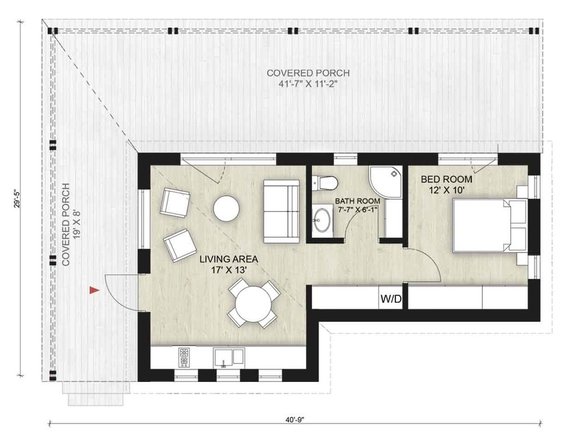
Conclusion: Start Small, Live Big with the Right Tiny House Plans
So, here’s the takeaway. Tiny house plans aren’t about sacrificing comfort. They’re about choosing smarter living. When done right, they create homes that feel personal, efficient, and deeply satisfying.
If you’re considering this path, start by studying different tiny house plans, imagining daily life inside them, and being honest about what you truly need. Once you do that, you’ll see why so many people say going tiny was the best decision they ever made.
And who knows? Your dream home might be smaller than you think.
